Security Strategy and consulting


Why Choose Our Security Strategy and Consulting Services?

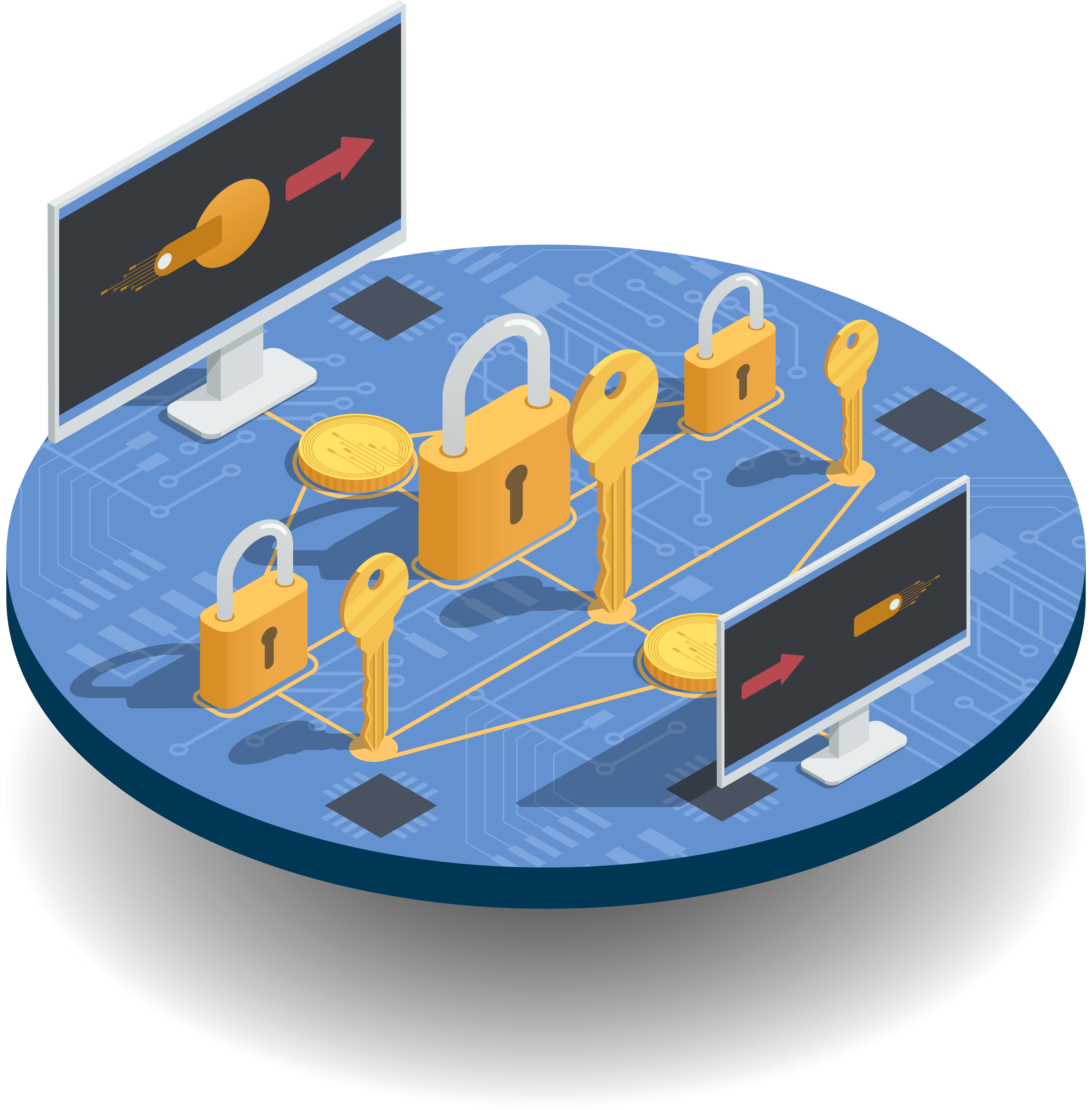
Creating and maintaining Information Security Policies is a fundamental part of any Information Security Program. Security policies establish the standard for the implementation of all controls related to managing the risk associated with an organization's Information Security Plan. Our policy and procedure development services can help you quickly create and deploy security policies, standards, and guidelines that match your business objectives, best practices, and address the risk and compliance requirements of your organization's chosen security framework.
Best Practises for the Development of Security Policies and Personalized Applications
We can help you improve your security policies and services to match the specific threats you face in your business. We take into account the legal and regulatory frameworks of each country where you operate. We can offer you either complete Security Strategy and Consulting or individual elements, such as controlling who can access your premises, checking the backgrounds of potential employees, preventing violence at work or protecting your executives.
From the server room to the boardroom, we can communicate using a common language provided by these frameworks. Let’s see what we have in these standards.
- Internal auditors and other internal stakeholders will have the best thorough understanding of the controls that are in place within your own organization
- External auditors, on the other hand, can be held responsible for the valuation of these controls and attesting to their effectiveness
- For third parties like potential customers or investors, it will become important to evaluate the potential risks before partnering with your organization before making any decisions
The process of achieving compliance within a regulatory framework is a never-stopping one, as the legal environment is constantly changing and the operating effectiveness of a control may break down at any time. To ensure a strong compliance posture, it is necessary to engage in regular monitoring and reporting, as this can be useful in detecting potential issues before they become major problems. Each framework within our Security Strategy and Consulting provides guidance on what constitutes "regular monitoring," which is essential for maintaining compliance.

What Solutions Do We Provide?
Understanding all your data sources for structured and unstructured data, where they are located, who can access them, what needs to be encrypted, what is the flow of this data, and what potential misconfigurations exist is essential to prevent data breaches that can cost global organizations millions on average. These basic solutions set the stage for strong data security posture management.
- Track data activities and quicken reporting and auditing
- Automate the application of compliance regulations and consolidate data activities
- Encrypt sensitive data in all contexts and state
- Combine data classification and discovery for both organized and unstructured data
- Determine the weaknesses in your data ecosystem
- Centralize and streamline the handling of encryption keys
How Do We Perform This Service?
steppingedge provides our expert Cybersecurity Risk Assessment service in four key steps - risk identification, vulnerability identification, threat identification, and control identification.The first step in this process is risk identification, which involves identifying the assets that are critical to your organization and assessing the potential impact of their compromise on confidentiality, integrity, or availability. These assets could include data, systems, or other critical resources that are essential for your business operations.
The next step is vulnerability identification, which focuses on identifying any system-level or software vulnerabilities that could put your assets at risk. This includes identifying any weaknesses or deficiencies in organizational processes that could lead to compromised information.Threat identification is the third step, which involves assessing the potential causes of assets or information becoming compromised. As part of this process, known threats are identified and associated with specific risks and vulnerabilities, such as those posed by crime syndicates, hacktivist groups, or government-sponsored organizations.
Finally, control identification involves identifying the controls that are currently in place to protect your assets. This includes both solution controls that directly address identified vulnerabilities or threats, and ease controls that lessen the likelihood and/or impact of a risk being realized. Compensating controls are also identified as a safety net to indirectly address any potential risks.Through this detailed stepwise Security Strategy and Consulting service, steppingedge is able to provide a useful and strong approach to risk identification and management for your organization's critical assets.
Contact Us
Receive a guaranteed response to your inquiries within 24 hours